How Mississippi’s Bob Tyler Fish Hatchery prepares fish for stocking
The Bob Tyler Fish Hatchery has outlined the work involved in raising and stocking fish in Mississippi waters, from daily feeding and water-quality checks to spawning, harvesting and transport.
Staff feed hatchery fish floating feed or live forage fish by hand each day. They also fertilize ponds so fish can eat zooplankton. Insects provide part of the diet, with insect populations influenced by the amount and proximity of vegetation around the ponds. Lights are operated around the ponds at night to attract insects as an additional food source.
Hatchery staff monitor water quality, including dissolved oxygen, temperature, pH and other parameters measured with handheld meters. Staff also visually monitor fish for signs of disease and treat them when possible.
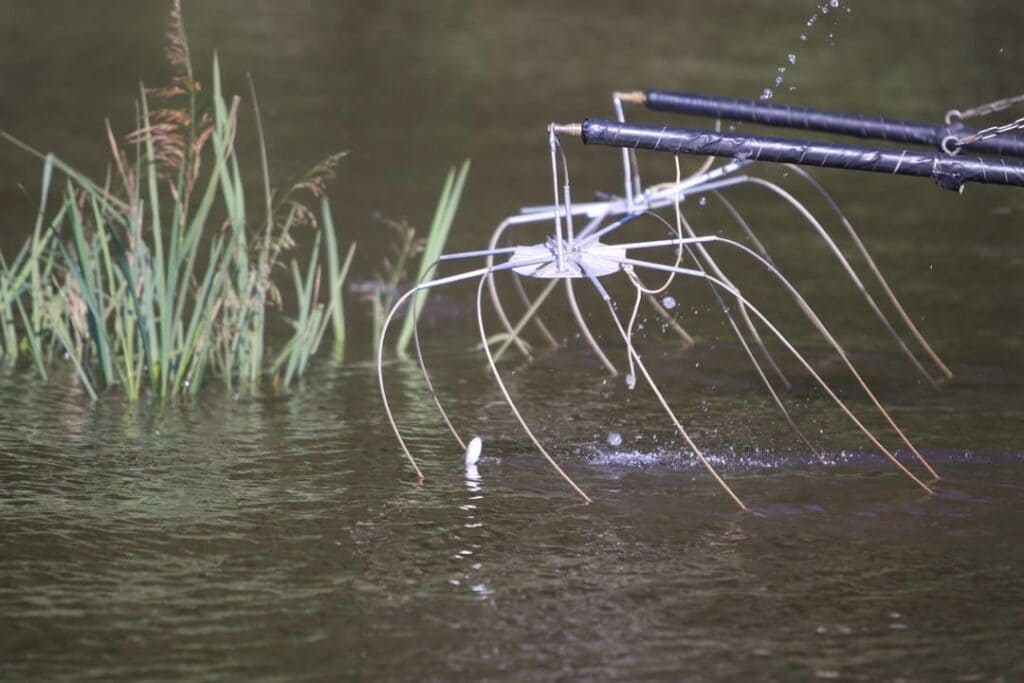
Electrofishing boats use an onboard shocking system to temporarily stun fish so staff can collect brood fish for spawning. The hatchery said this method is more efficient and causes less stress or injury than netting and other capture methods. The fish are stunned for only a few minutes, according to the hatchery.
During spawning season, wild fish and brood fish are collected and spawned through various methods to produce fry for stocking requests. Staff travel to locations across Mississippi and primarily use electrofishing boats and gill nets to obtain wild fish for spawning. Unusually hot or cold temperatures and low water during the spawning season can make collection and spawning more difficult.
Pond maintenance includes replacing degraded liners, treating terrestrial weeds and aquatic plants with herbicides, and routinely maintaining or replacing pond infrastructure. Fish are harvested after reaching the desired size when water temperatures permit stocking, while a hatchery staff member monitors pond conditions during the harvest.
Staff harvest hundreds of pounds of fingerlings from each pond and harvest dozens of ponds each year for stocking Mississippi waters. Trucks and trailers are essential to the process, and oxygen tanks on the vehicles help keep fish supplied with oxygen while large numbers of fingerlings are moved to stocking locations across the state.
Source: Mississippi Department of Wildlife, Fisheries, and Parks.