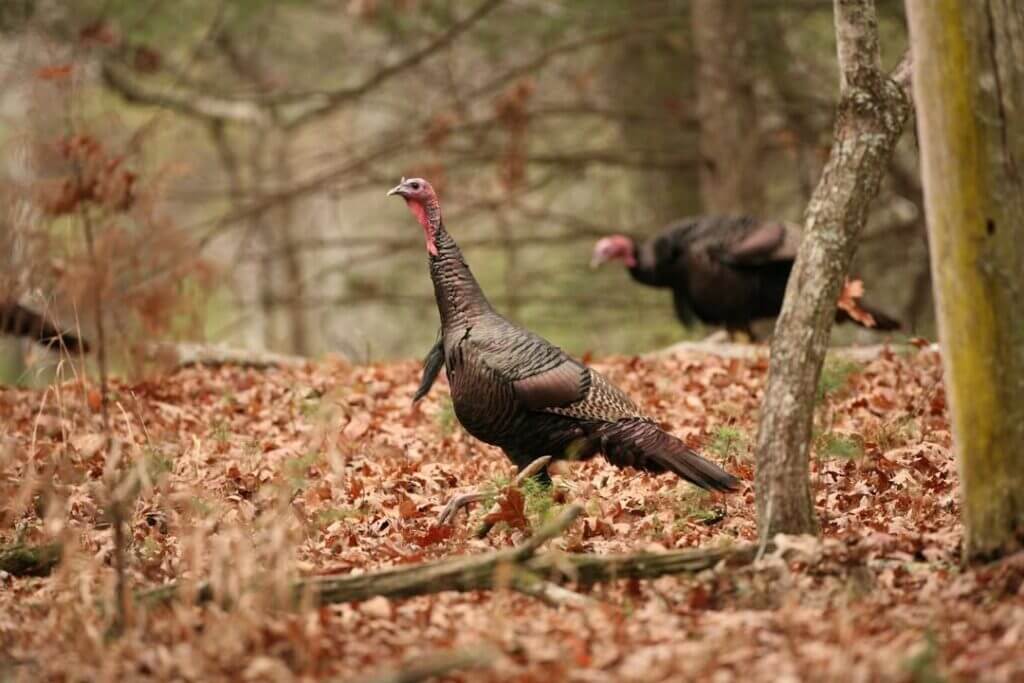
Wild turkeys change their behavior and habitat use with the seasons, according to the Mississippi Department of Wildlife, Fisheries, and Parks. Spring brings a focus on reproduction, while fall shifts birds’ priorities toward food and flock dynamics.
In spring, male turkeys, known as gobblers, become more vocal as they search for hens. They also strut to display dominance and attract a mate. During this period, turkeys may spend more time in open woods with abundant herbaceous vegetation.
ADVERTISEMENT
In fall, breeding is no longer the priority. Turkeys typically form groups organized by sex and age, including adult hens, jakes, adult gobblers and poults, while spending more time searching for hard and soft mast as it becomes available in mature forests.
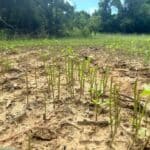
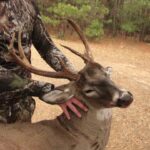
The department said turkeys are commonly seen during deer season, throughout fall and winter, and in food plots. More information about seasonal turkey behavior is available through the department’s Wild Turkey Program.
Jon Ross Myers founded Mississippi News Group in 2013. Before founding the organization, he worked at The Daily Mississippian, The Marion Salute and The Southern Sentinel. A Mississippi journalist and writer based in Ripley, he received second place in poetry in the 2025 William Faulkner Literary Competition for "The Garden."
Stay connected
Mississippi, wherever you are.
Follow our coverage on Facebook and watch Mississippi News Group on YouTube.