Use multiple ways to receive severe weather warnings
A Facebook post urged residents to have at least two ways to receive severe weather warnings and not to rely solely on local television meteorologists, saying power outages can interrupt service, the post said.
The message emphasized that even highly reliable broadcasters depend on electricity and transmission systems that can fail during storms. The post advised people to plan for backup methods so they do not miss urgent warnings.
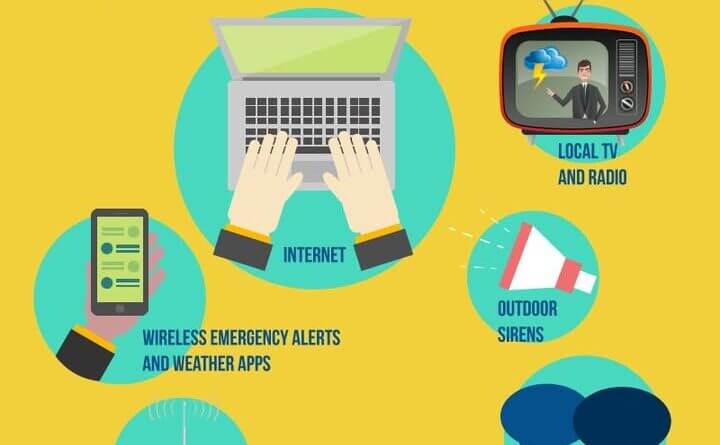
Common alternative ways to receive alerts include wireless emergency alerts sent to mobile phones, NOAA Weather Radio, battery-powered or hand-crank radios, weather apps with offline alert features, and local warning sirens. Social media and text alert services can provide additional redundancy, though they also depend on cellular or internet access.
Receiving warnings through multiple channels increases the likelihood of getting timely information during severe weather such as tornadoes, flash flooding or damaging winds. Preparedness experts often recommend layering notification methods so one failure does not leave people unaware of imminent danger.
The post included the hashtag #MSwx. We will provide more information as it becomes available.